
Concrete pile breaker is a specialized machine designed to break down concrete piles efficiently and safely. Concrete piles are commonly used in construction to provide foundational support for structures such as bridges, buildings, and piers. Once these piles have served their purpose or need to be removed, breaking them down manually can be time-consuming, labor-intensive, and hazardous. Hydraulic pile breakers streamline this process by using hydraulic or mechanical force to fracture the concrete, making it easier to remove or recycle. These machines are engineered to deliver precision, power, and reliability, ensuring that piles are broken down without damaging surrounding structures or causing unnecessary debris.
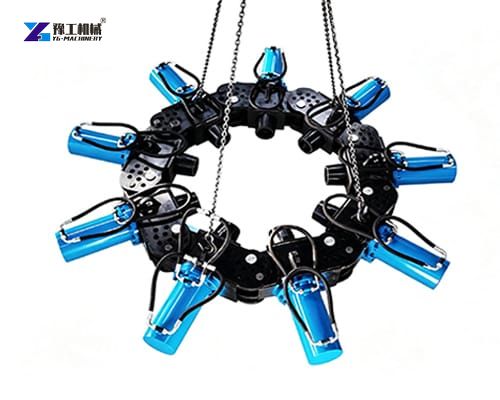
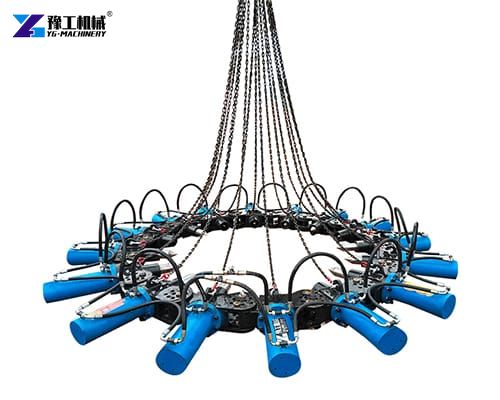
Parameters of Hydraulic Pile Breaker Machine
| Model | YG-800 | YG-980 | YG-1150 | YG-1300 | YG-1500 | YG-1650 | YG-1800 | YG-2000 | YG-2150 | YG-2300 | YG-2500 |
| Applicable pile diameter | 600-800mm | 800-900mm | 1100-1150mm | 1150-1300mm | 1300-1500mm | 1500-1650mm | 1650-1800mm | 1800-2000mm | 2000-2150mm | 2150-2300mm | 2300-2500mm |
| Number of modules | 8 | 9 | 10 | 11 | 12 | 13 | 14 | 15 | 16 | 17 | 18 |
| Machine weight | 2400kg | 2700kg | 3000kg | 3300kg | 3600kg | 3900kg | 4200kg | 4500kg | 4800kg | 5100kg | 5400kg |
| Applicable excavator model | 20-30T | 20-30T | 20-30T | 30-40T | 30-40T | 30-40T | Hydraulic pump station | Hydraulic pump station | Hydraulic pump station | Hydraulic pump station | Hydraulic pump station |
| Cylinder stroke | 250mm | 250mm | 250mm | 250mm | 250mm | 250mm | 250mm | 250mm | 250mm | 250mm | 250mm |
| Working pressure | 35Mpa | 35Mpa | 35Mpa | 35Mpa | 35Mpa | 35Mpa | 35Mpa | 35Mpa | 35Mpa | 35Mpa | 35Mpa |
| Oil storage capacity of a single module | 5L | 5L | 5L | 5L | 5L | 5L | 5L | 5L | 5L | 5L | 5L |
| Breaking force | 70T | 70T | 70T | 70T | 70T | 70T | 70T | 70T | 70T | 70T | 70T |
Key Features of the Concrete Pile Breaker
1. Modular Design for Different Pile Sizes
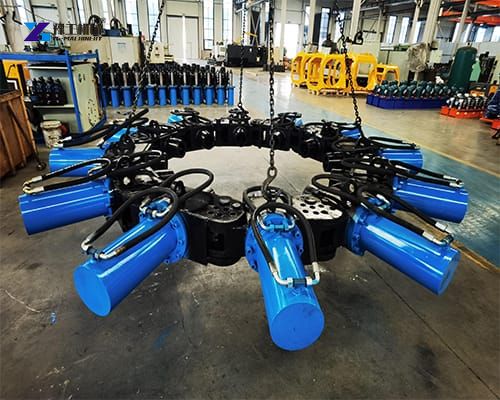
Foundation projects do not always use one standard pile diameter. A major advantage of this concrete pile breaker design is its modular configuration. There are various models covering applicable pile diameters from 600 mm to 2500 mm. Across the series, the equipment uses different numbers of hydraulic modules to accommodate different pile sizes.
2. Hydraulic Multi-Point Operation
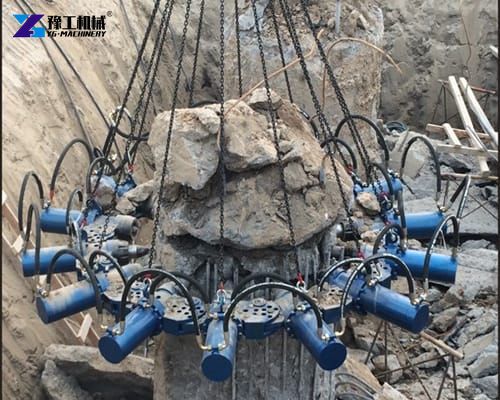
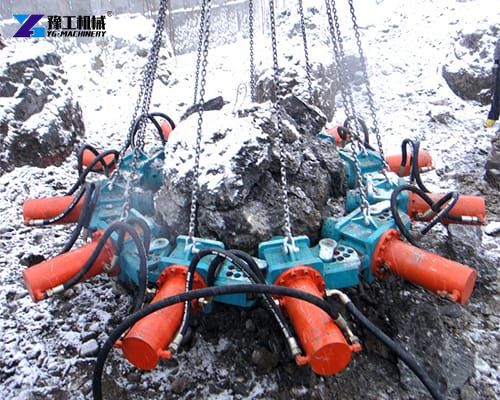
The breaker uses multiple hydraulic cylinders positioned around the pile. This multi-point structure allows the equipment to work around the concrete rather than concentrating the entire operation on a single location. For high-volume piling work, this design supports a more organized and repeatable pile-breaking process.
3. Excavator-Based Operation
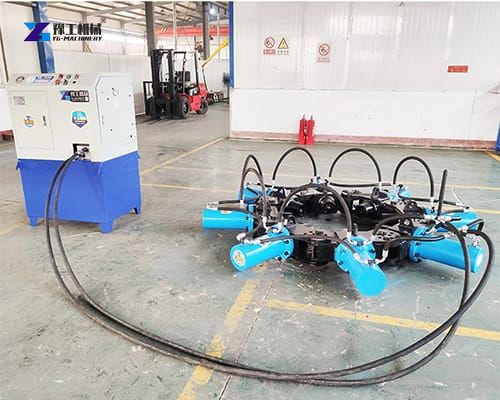
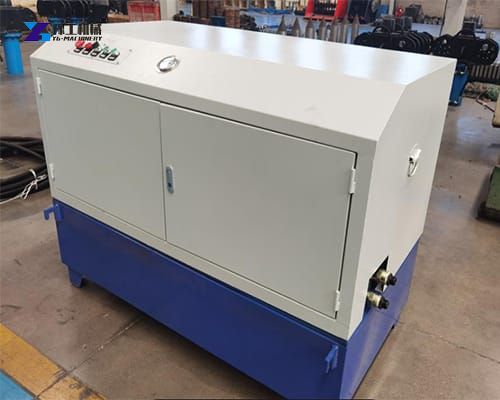
The concrete pile breaker can be integrated with compatible excavators, making it possible for contractors to use existing machinery as the power source. The supplied specifications include configurations intended for 20–30 ton and 30–40 ton excavators, while certain larger configurations are listed for operation with a hydraulic pump station. Actual compatibility should always be confirmed against the excavator’s hydraulic flow, pressure, lifting capacity, and attachment connection.
4. Strong Hydraulic Working Performance
The product specifications indicate a working pressure of 35 MPa, with a cylinder stroke of 250 mm. The equipment is designed to convert hydraulic energy into the concentrated force required to fracture concrete pile heads efficiently.
5. Broad Product Range
The model series extends from YG-800 to YG-2500, allowing customers to select a suitable configuration based primarily on pile diameter and working conditions rather than forcing different projects into the same attachment size.
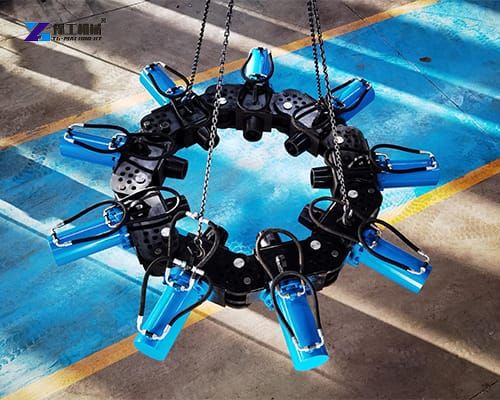
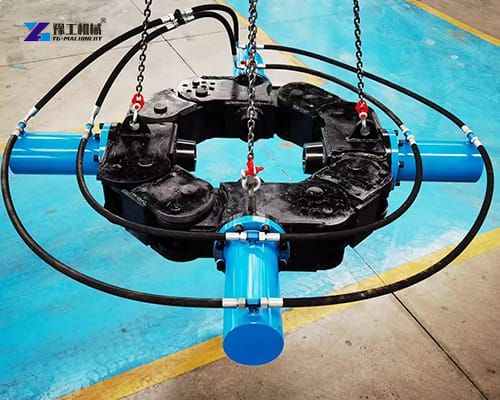
How Does a Concrete Pile Breaker Work?
1. Positioning the Breaker Around the Pile
The first step is to position the hydraulic pile breaker around the pile head at the required working height. The configuration should match the diameter of the pile so that the hydraulic modules can contact the concrete correctly.
2. Applying Hydraulic Pressure
After the equipment is connected to the excavator or hydraulic power source, the cylinders extend toward the pile. The multiple hydraulic modules work together rather than depending on one single impact point.
3. Creating a Controlled Concrete Fracture
The concentrated pressure generated by the hydraulic cylinders causes cracks to develop through the concrete section. Continued operation allows the unwanted pile-head concrete to separate.
4. Removing the Broken Concrete
After the concrete has been sufficiently fractured, the broken section can be removed using suitable site equipment. The exposed pile can then proceed to the next stage of foundation construction.
Why Use a Concrete Pile Breaker?
1. Enhanced Efficiency
Traditional methods of breaking concrete piles, such as manual hammering or explosive techniques, are often slow and inefficient. Concrete pile breakers significantly reduce the time required to complete the task, allowing construction teams to meet tight deadlines and move on to the next phase of the project.
2. Improved Safety
Manual pile breaking poses significant risks to workers, including exposure to flying debris, repetitive strain injuries, and accidents caused by heavy machinery. Hydraulic pile breakers minimize these risks by automating the process and reducing the need for manual labor.
3. Cost-Effectiveness
While the initial investment in a concrete pile breaker machine may seem high, the long-term cost savings are substantial. These machines reduce labor costs, minimize material waste, and prevent damage to surrounding structures, ultimately saving money on repairs and replacements.
4. Environmental Benefits
Pile breaker machines produce less noise and dust compared to traditional methods, making them a more environmentally friendly option. Additionally, the broken concrete can often be recycled, further reducing the environmental impact of construction projects.
Applications of Concrete Pile Breaking Machine
1. Building Foundation Construction
Residential buildings, commercial developments, warehouses, factories, and other structures may use reinforced concrete piles as part of their foundation systems. Once the piles are installed, the upper portion may need to be removed to establish the correct level for pile cap construction. A hydraulic concrete pile breaker is well suited to this repetitive task.
2. Bridge Construction
Bridge foundations frequently involve deep or large-diameter piles. When a project requires many pile heads to be prepared at similar elevations, mechanized hydraulic breaking can improve the organization of this stage of construction.
3. Highway and Road Projects
Road infrastructure may involve pile foundations for bridges, retaining structures, elevated sections, and other structural components. A pile breaker provides a practical way to integrate pile head preparation into a larger construction process.
4. Railway and Transportation Infrastructure
Large railway and infrastructure projects can involve substantial piling quantities. For these applications, equipment productivity and compatibility with existing construction machinery can be especially important.
5. Industrial and Civil Engineering Projects
Power facilities, industrial plants, port-related construction, municipal infrastructure, and other heavy civil projects can all require reinforced concrete piles. A modular concrete pile breaker provides an adaptable solution for these varied site conditions.
How to Select the Right Concrete Pile Breaker?
The first factor to consider is pile diameter. The selected concrete pile breaker must be suitable for the pile size on site. When a project includes several different pile diameters, it is better to provide the complete pile specification to the supplier so that the most appropriate configuration can be recommended.
The second factor is excavator compatibility. Excavator tonnage is important, but it is not the only consideration. Hydraulic pressure, hydraulic oil flow, lifting capacity, attachment dimensions, and machine stability all need to be evaluated.
The third consideration is project scale. A contractor processing a large number of pile heads may place greater value on productivity and repeatability, while a smaller project may focus more on flexibility and overall investment cost.
Site conditions should also be considered. Pile spacing, working access, excavation depth, pile size, and available hydraulic equipment can all affect which configuration is most suitable. If you are looking for this machine, welcome to contact us for more details.